#BelievetheBibleStudy 2.7.26 — A Study of 1 Corinthians 1–4
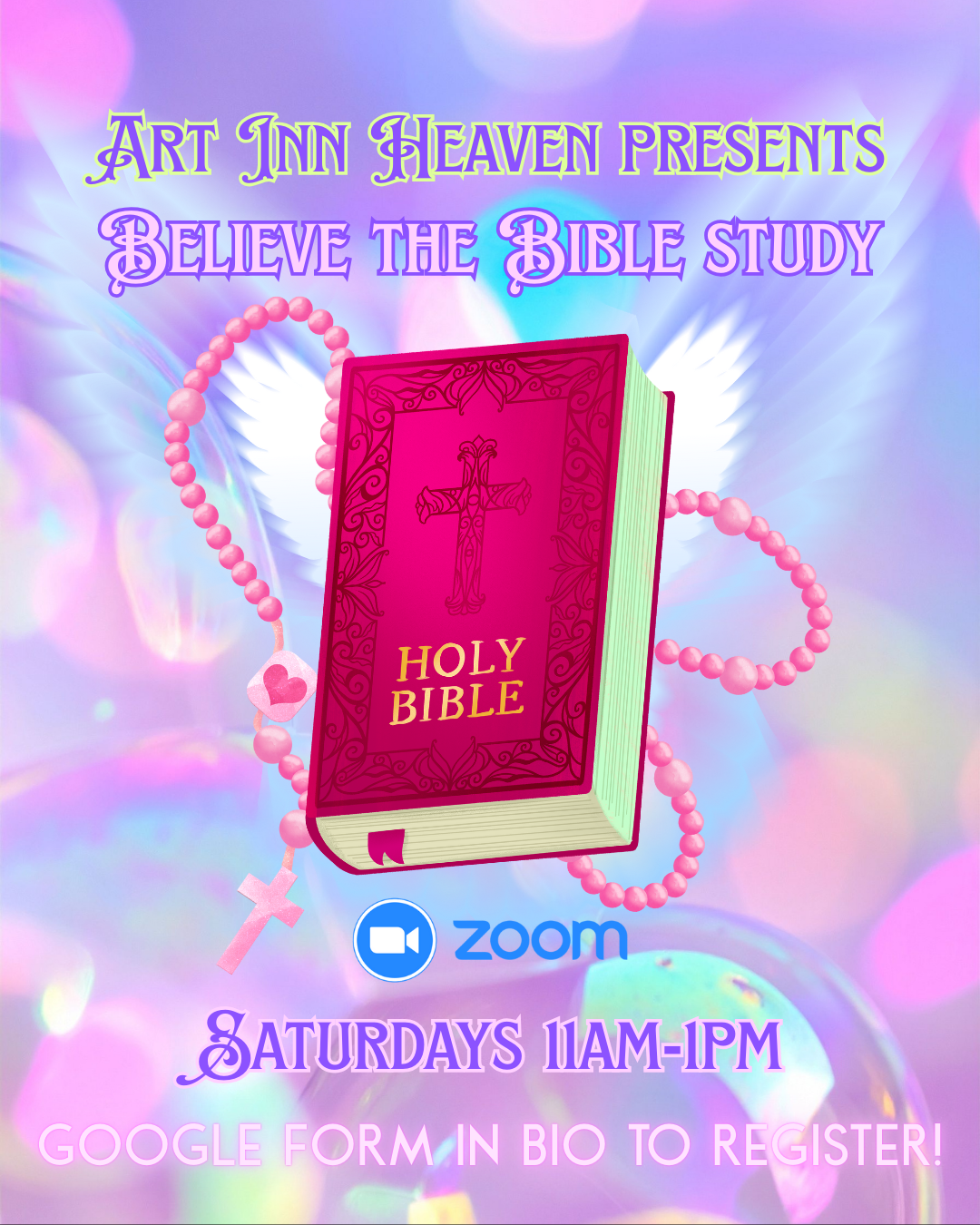
The opening chapters of 1 Corinthians don’t ease us in—they confront us. Right away, the apostle Paul addresses a church that looks a lot like many of ours today: gifted, passionate, divided, and confused about what truly matters. Our study invites us to sit with that tension and rediscover a grounding truth: we are called by God, not because we are perfect, but because He is faithful.
Paul begins by reminding the Corinthians who they are before correcting what they do. They are “called to be saints,” enriched in Christ, lacking in no spiritual gift. This is crucial. Before Paul addresses division, pride, or immaturity, he anchors their identity in grace. The Christian life doesn’t start with self-improvement; it starts with belonging. We are not striving to earn God’s approval—we are learning how to live from it.
Yet the church in Corinth was fractured. Believers aligned themselves with leaders—Paul, Apollos, Cephas—turning spiritual mentorship into spiritual competition. Paul responds by dismantling the entire framework. The gospel is not about who baptized you or who speaks most eloquently. The power is not in human wisdom but in the cross of Christ—a message that looks foolish to the world yet carries the power of salvation.
This is where Paul introduces one of the most uncomfortable truths of the Christian faith: God’s wisdom often contradicts what the world celebrates. While culture prizes strength, status, and self-promotion, God chooses what is weak, lowly, and overlooked to display His glory. The cross itself is the ultimate example—an instrument of shame turned into a symbol of redemption. In this upside-down kingdom, boasting is replaced with humility, and success is measured by faithfulness, not applause.
As the letter progresses into chapters two and three, Paul confronts spiritual immaturity. The Corinthians were rich in gifts but poor in depth. They argued, compared, and clung to jealousy because they had not yet learned to live by the Spirit rather than the flesh. Paul uses agricultural imagery to clarify their roles: one plants, another waters, but God alone causes growth. Leaders are not saviors; they are servants. The church is not a platform; it is God’s field and God’s building.
This metaphor presses us to ask hard questions. What foundation are we building on? Is it Christ—or charisma, productivity, or public approval? Paul warns that while salvation is secure in Christ, the quality of our work matters. What we build with—love or ego, obedience or ambition—will eventually be revealed. This isn’t meant to provoke fear, but discernment. God cares not just that we belong to Him, but how we steward what He’s given us.
By chapter four, Paul addresses pride head-on. The Corinthians had begun acting like spiritual elites, forgetting that everything they possessed was received, not achieved. Paul redefines leadership as service, faithfulness, and humility. Apostles are not celebrities; they are stewards. And stewards are called to be found faithful, not impressive.
Week One of 1 Corinthians invites a necessary recalibration. It calls us back to the simplicity of the gospel and the humility of our calling. We are God’s people not because we are wise, strong, or put-together—but because He chose us, redeemed us, and continues to shape us.
As we move forward in this study, the question isn’t whether we are gifted. The question is whether we are willing to lay those gifts at the feet of Christ, allowing Him—not our preferences, pride, or comparisons—to be the foundation we build upon.
Join Art Inn Heaven’s Believe the Bible virtual study group on Saturdays from 11am-1pm EST!
