Black Sacred Music Festival Celebrates Faith, Freedom, and Cultural Legacy
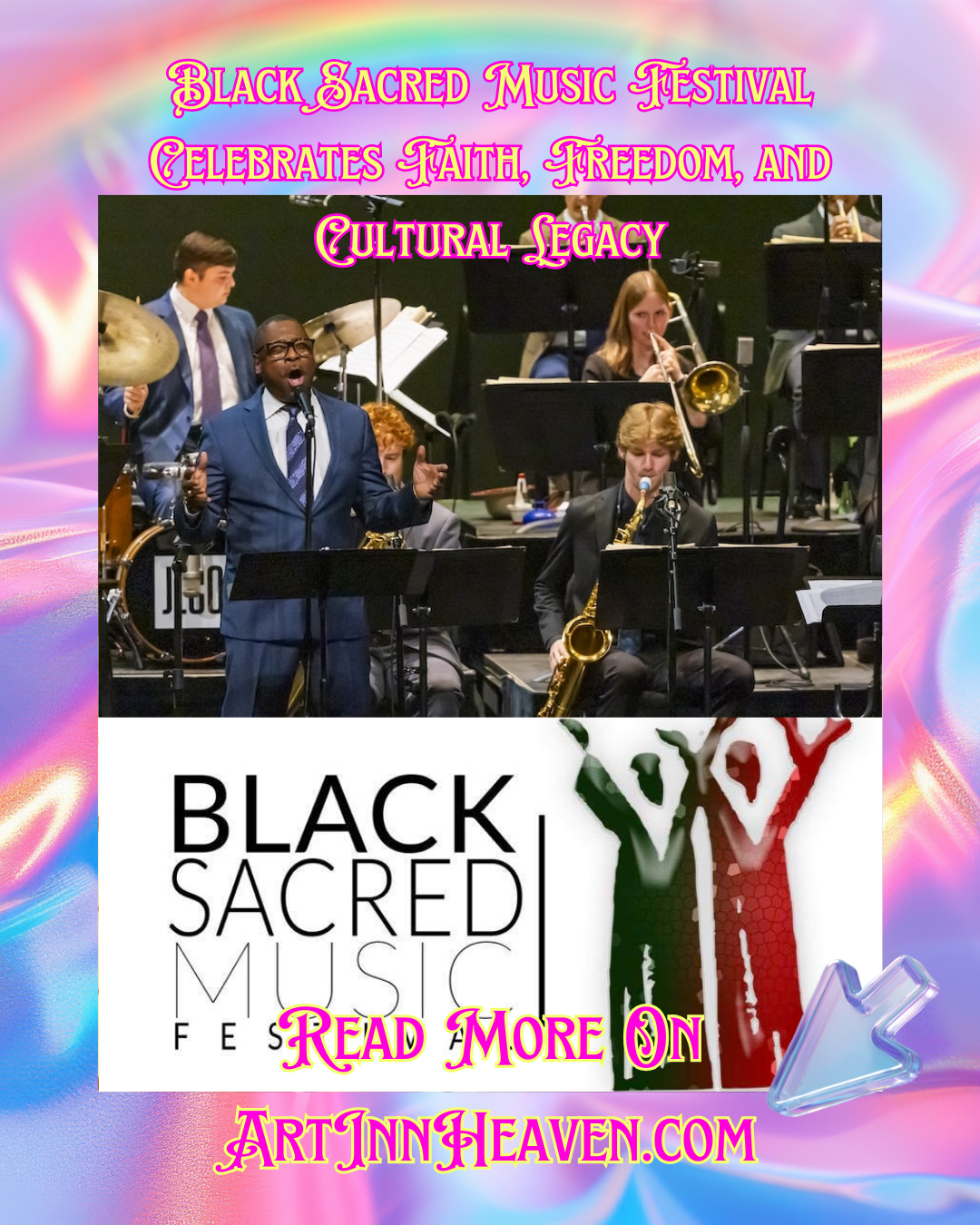
A powerful blend of gospel harmonies, jazz improvisation, spoken word, and liturgical tradition filled the air this February as Baylor University hosted a week-long celebration of Black sacred music, drawing artists, scholars, worship leaders, and students into a dynamic exploration of faith through sound.
The annual Black Sacred Music Festival, held in mid-February 2026, offered concerts, lectures, workshops, and collaborative performances centered on the theological and cultural richness of African American worship traditions. Organizers described the gathering not simply as a music event, but as a sacred space — one where history, creativity, and spiritual devotion met.
A Living Tradition
Throughout the week, audiences experienced music that traced the lineage of Black sacred expression — from spirituals born in bondage to contemporary gospel infused with jazz, hip-hop, and global influences. Choirs and soloists delivered soul-stirring renditions of traditional hymns, while instrumental ensembles expanded the genre’s sonic boundaries.
One of the festival’s most anticipated moments was a large-scale performance led by composer and conductor Stephen Newby, whose work continues to bridge classical composition and African American sacred traditions. His featured oratorio drew standing ovations, with layered choral movements reflecting themes of prophecy, lament, and divine hope.
“Black sacred music is not just a style,” one panelist noted during a theological symposium. “It is testimony. It is resistance. It is joy in the face of struggle.”
Beyond Performance: Theology and Cultural Memory
In addition to evening concerts, daytime sessions examined the historical roots of Black worship music and its enduring influence on church life worldwide. Scholars discussed how spirituals carried coded messages of liberation, how gospel music shaped the Civil Rights Movement, and how modern worship spaces continue to draw from this heritage.
Workshops encouraged young artists to see themselves as both creatives and culture-bearers. Participants engaged in vocal masterclasses, songwriting labs, and conversations about preserving sacred traditions while innovating for new generations.
The festival also emphasized the global resonance of Black sacred sound. International attendees shared how gospel and spiritual music have crossed oceans, influencing congregations in Africa, Europe, Asia, and Latin America.
Faith, Freedom, and the Future
As February also marks Black History Month in the United States, the festival carried particular cultural weight. Organizers highlighted the role of sacred music in sustaining faith communities through centuries of injustice and change.
The week concluded with a collaborative worship service that blended choir, band, spoken word artists, and congregational singing — a fitting finale that embodied the festival’s theme: sacred music as both remembrance and renewal.
For many in attendance, the event was more than an academic or artistic showcase. It was revival.
In a time when conversations about race, faith, and identity continue to shape public life, the Black Sacred Music Festival stood as a reminder that gospel expression remains a living, breathing force — one that continues to proclaim hope, justice, and the enduring presence of God.
For the Christian arts community, especially outlets like Art Inn Heaven, the festival signals something profound: Black sacred music is not a relic of history. It is a prophetic, evolving art form shaping the sound of worship today — and tomorrow.
